1Operator
sole tester
About CTAI
I'm the Crash Test Dummy.
CTAI exists to find out what really happens when we put AI to work. Someone has to take the hit first — so I put AI to work, apply pressure, and document what happens.
No sponsorships. · No exceptions. · Only evidence.
100%Independent
no sponsors
no sponsors
4Phase
methodology
methodology
2Full crash tests
published
published
01
The mission.
What CTAI is for — and who it's for.
CTAI puts AI tools, systems, workflows and agents under real-world pressure and documents what happens: what works, what fails and where the friction is. Every tool goes through the same published four-phase methodology, scored the same way every time.
Most AI reviews are shallow, recycled, or written by someone who used the tool for an afternoon. Operators are left guessing which tools are reliable, which break under pressure, and which are worth building a workflow around. CTAI exists to close that gap with evidence. As more AI gets checked by other AI, someone still has to sit in the seat and feel the impact. That's the crash test dummy's job — and why CTAI keeps one thing human: the verdict.
No paid reviews
No sponsorship influence
No brand approval before publication
02
The operator.
Every test designed, run and written by one person.
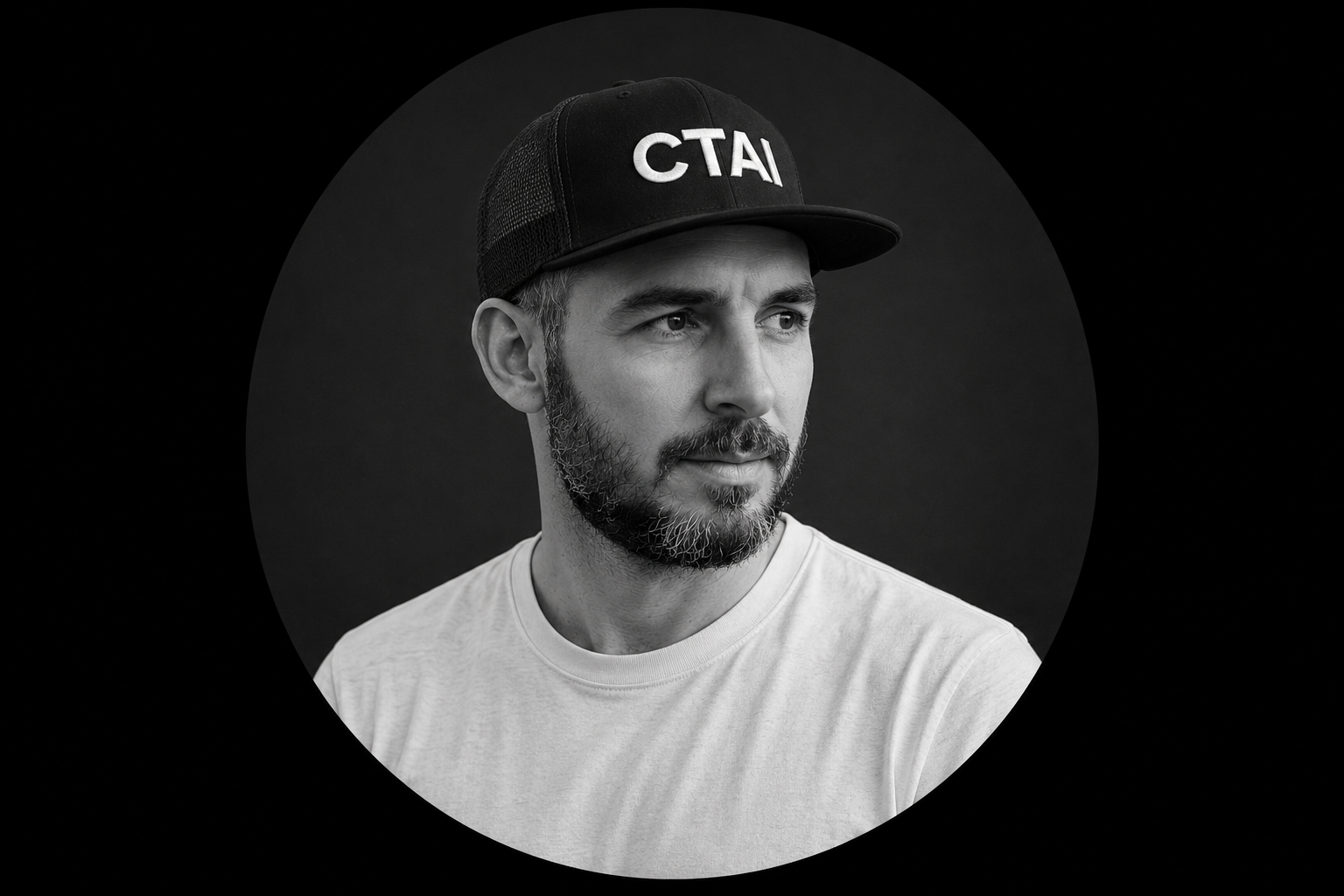
Woody
Founder · Sole tester
I'm Woody — former agency owner, now the solo operator and crash test dummy behind CTAI. I didn't come to AI as an academic or a researcher. I learned it by doing, while running a real business with real clients: trying tools, breaking workflows, finding friction, and discovering what worked and what absolutely did not.
I felt like the crash test dummy of AI in business — validating claims, finding friction, and separating hype from utility.
Someone has to take the hit first. I'm a practitioner, not an expert — so I design, run, and publish every crash test myself. No team. No outsourcing. No hidden incentives. Just honest work and a commitment to telling the truth about what I find.
Evidence over opinion
Every claim backed by what I actually observed — screenshots, timestamps, exact prompts.
Transparency over hype
Full scoring methodology published. No hidden weights, no black boxes.
Operator reality over vendor promise
Tested in actual workflows, not controlled demos. What happens on day 10, not day 1.
Depth over speed
Live runs measured in weeks, not 2-hour reviews. The failures worth documenting only show up with sustained use.
03
Every test shapes the next test.
How one crash test feeds the next.
01
Testing creates evidence.
Every crash test puts AI into realistic conditions and captures what actually happened.
02
Evidence creates knowledge.
Decoding the evidence shows the behaviour, the failures and the patterns worth repeating.
03
Knowledge becomes capability.
The learning shapes what gets tested next — and makes the next test better.
- Discover
- CrashTest
- Capture
- Decode
- Systemise
- Productise
- Repeat